Programs
We design and deliver in-person and virtual learning experiences that help people develop resilience, collaboration and coaching skills.



We study the science of performance across diverse disciplines to design learning experiences that help people perform, collaborate and lead in a disruptive world.

We design and deliver in-person and virtual learning experiences that help people develop resilience, collaboration and coaching skills.

We're smart, but we're also funny. And humble. Let our world-class speakers educate, inspire and entertain in 90 minutes or less.

Over the past 30 years we have helped more than 100 athletes and the coaches behind them reach Olympic and Paralympic podiums.
Third Factor is the best at what they do. The Self-Aware Leader program has had such a positive impact on our business, we've begun using the TAIS as part of our onboarding process for leaders and made it a key part of the way we do team building. We wouldn’t have the strength of leadership we do without Dane, Peggy, Cyndie and the entire team.

Ben Cowan-Dewar
Co-Founder & CEO Cabot
3x4 Coaching is one of the best leadership development experiences I have seen. It is at the heart of large programs that we deliver in some of the world’s leading energy, banking, and manufacturing companies and we consistently get exceptional feedback. The model is practical, grounded in both research and practice – and when it’s brought to life by Third Factor’s world-class facilitators, the results are transformational.

David Hofmann
Senior Associate Dean UNC Executive Development
Building Resilience was a huge success at our leadership summit. The combination of a practical resilience toolkit, a robust self-assessment, and a great mix of teaching and discussion created an atmosphere for everyone to reflect on their resilience challenges and opportunities, leaving with the skills needed to manage the pressure they face. It is a fantastic program.

Travis K. Brewer, PhD
Head of Talent Development Carlisle Companies
3x4 Coaching is instrumental in evolving our leaders’ (Mangers – Partners) roles from managing to developing people. We strive to embody a coaching culture that emphasizes personal growth and candid feedback, and that's exactly what this program delivers. Despite the time commitment required from our leaders, they unanimously say it’s well worth their while. Third Factor's approach seamlessly integrates with our unique and dynamic work environment, enhancing leadership effectiveness and fostering a more human connection.

Megan Long
Learning & Development Lead Monitor Deloitte

An essential guide to thriving under the demands of our pressure-packed world.

Learn and master the 3 plays and 4 skills that exceptional coaches use to deliver results and build commitment with our new 3×4 Coaching program.

Since pioneering the application of coaching principles in business, we have helped more than 30,000 leaders learn the skills that elite coaches use to unlock potential.

Resilience is an ability to perform under pressure and recover from setbacks. Our programs are practical, evidence-based, and proven in one of the highest pressure labs on Earth: elite sport.

Increasingly agile and team-based organizations make being an effective collaborator vital. We start from the ground up - with self-awareness and exceptional communication skills.
Get a complete overview of our coaching, collaboration and resilience programs.













Academic Partner
For over 25 years, we have partnered with Canada's premiere business school. Eight of Third Factor's facilitators teach across Smith's Executive Education offers and the Full-time MBA, Executive MBA, MMIE, MMA, MFIN and MMAI degrees. Learn more
Sport Partner
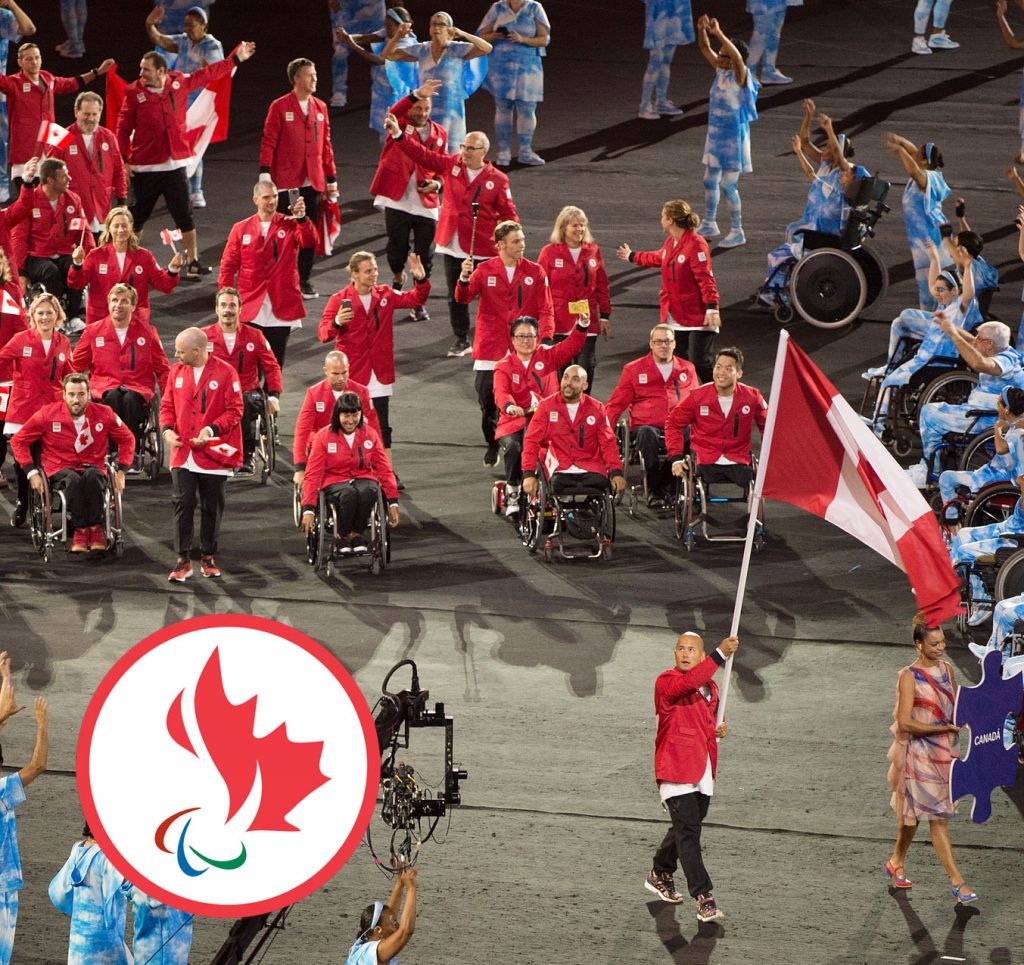
We work closely with the CPC Board and Executive Team to support Canada's journey to becoming a world leading Paralympic nation. Learn more

Philanthropic Partner
Our partnership with Right To Play has supported the development of over 15,000 volunteer coaches, and helped transform the lives of millions of children around the world. Learn more
Sport Partner
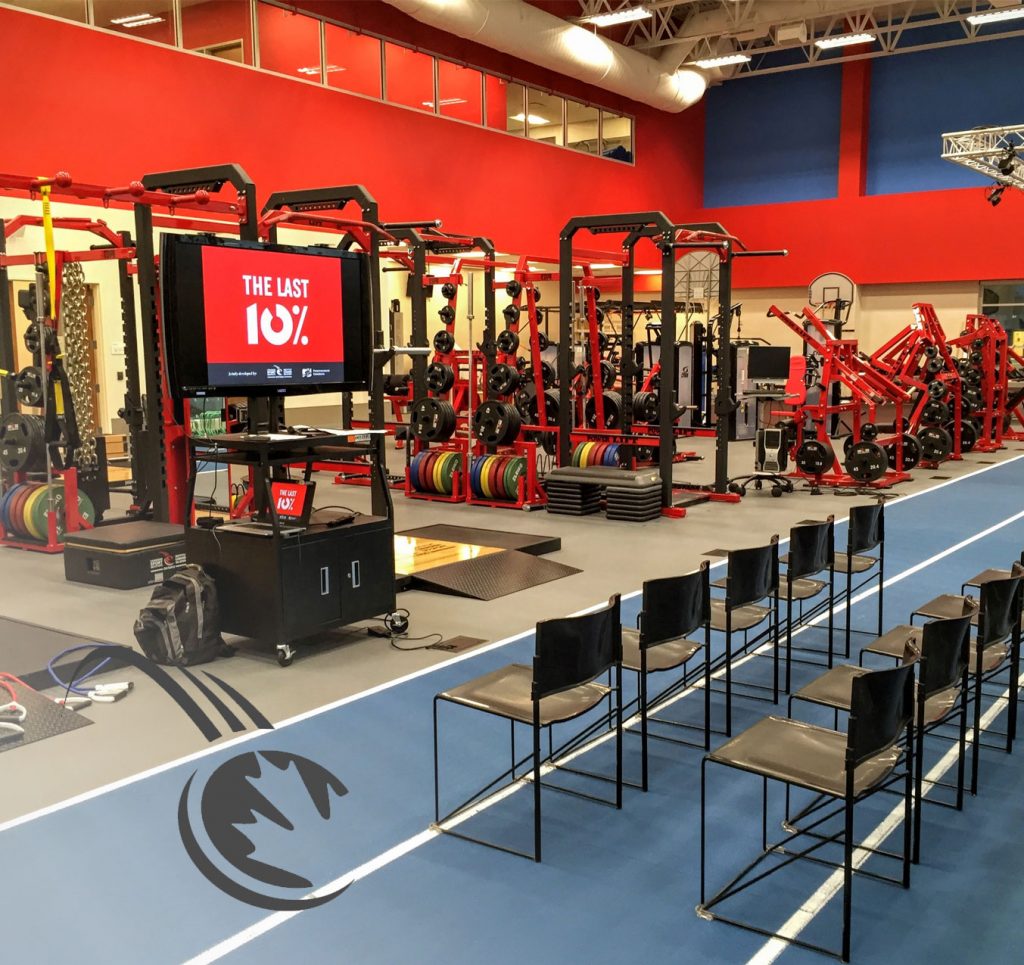
Our work with CSIO has centered on both enhancing their service delivery to athletes and coaches as well as jointly designing and delivering our Last 10% program. Learn more