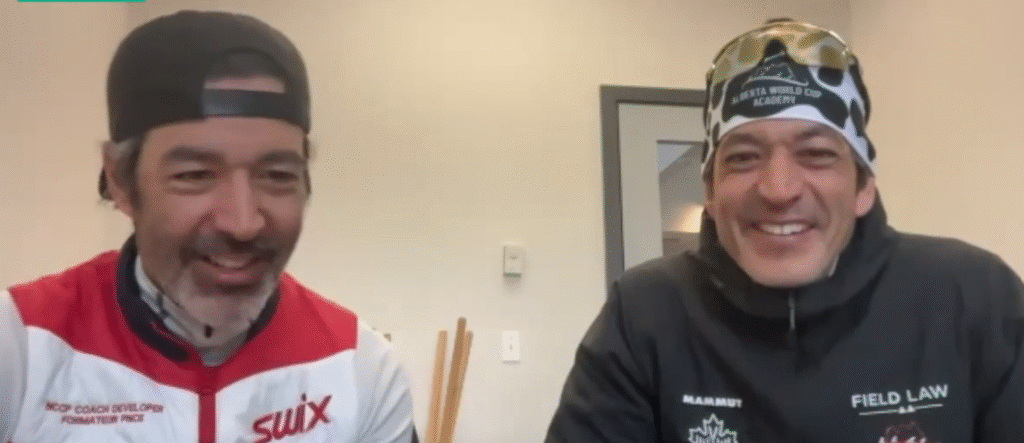

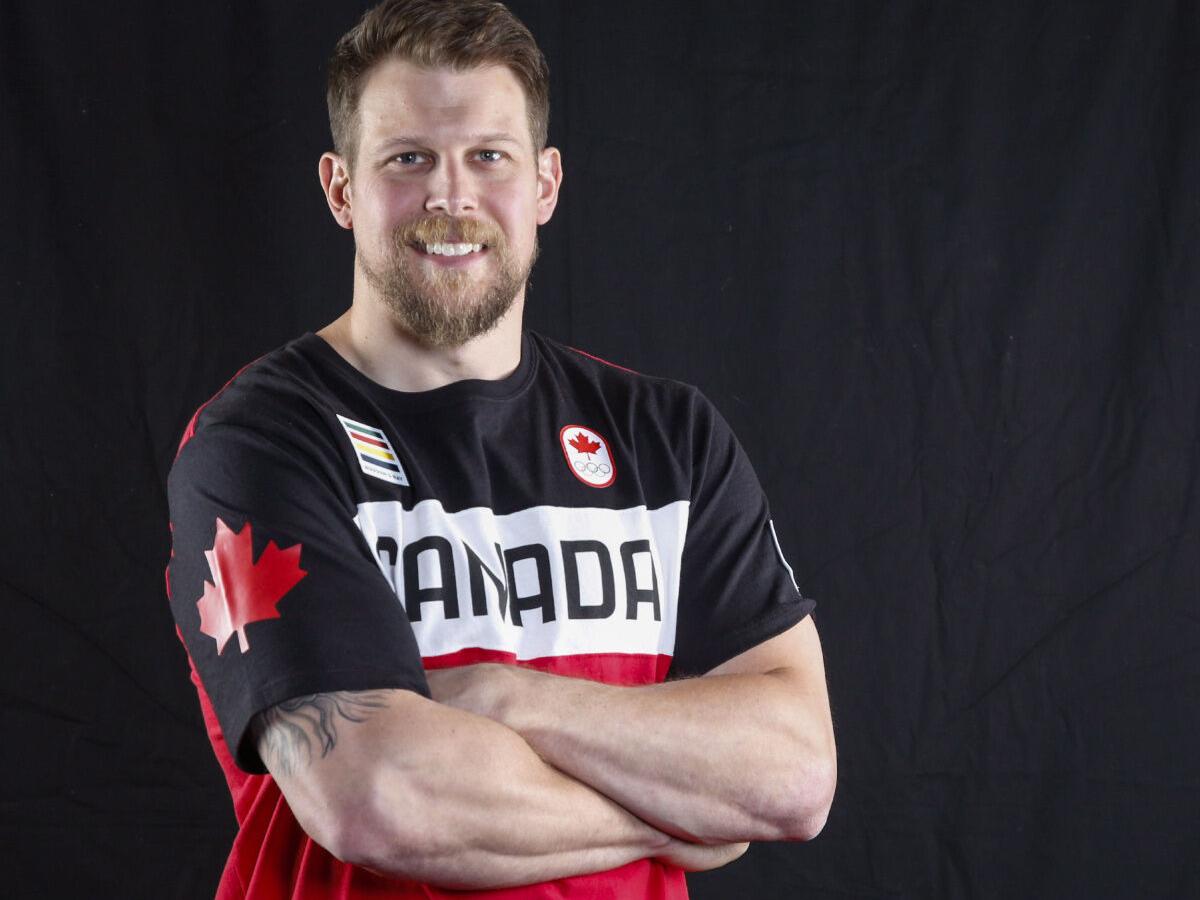

This article is part of Third Factor’s Story Behind the Story series, in which we unpack the stories behind both iconic and under-the-radar Olympic and Paralympic moments. In this feature, Third Factor Principal Trainer & Sport Lead Garry Watanabe speaks with Canadian bobsledder and High Performance Director Jesse Lumsden about a key idea: top performers don’t hope pressure will go well. They train for it long before it arrives.
—
From the outside, Olympic bobsleigh looks like a pure power sport. Fans see explosive athletes sprint beside the sled, jump in cleanly, and race down the track at high speed. Races are decided by hundredths of a second. It seems like strength and speed decide everything.
But power alone isn’t enough. It must be applied with precision. The smallest mistake can cost a medal.
As High Performance Director of Bobsleigh Canada Skeleton, Jesse Lumsden is responsible for building an environment where athletes can use their power with precision. He prepared for this role through a wide range of experiences.
Lumsden was once a standout running back in the CFL. He later switched to bobsleigh and became a world champion and three-time Olympian. After retiring from sport, he spent four years working at a fast-growing fintech company before returning to high-performance sport. Today, he applies lessons from football, Olympic sport, and business.
For Lumsden, the biggest adjustment between football and bobsleigh was time. A football game lasts 60 minutes. A bobsleigh race can be won or lost in the first five seconds.
Those first seconds happen under maximum pressure, maximum expectation, and maximum physical arousal. Success isn’t just about power. It’s about helping athletes access that power by making pressure feel familiar.
Because pressure doesn’t break performance. Unfamiliar pressure does.
Behind the Scenes: When Effort Becomes the Problem
The start of a bobsleigh race creates a paradox. Athletes must be aggressive and explosive. But if they try to force the moment — if adrenaline turns into tension — they slow down. Timing slips. Co-ordination breaks down. The extra effort meant to improve performance actually hurts it.
This became even clearer to Lumsden in Olympic sport. In professional football, games happen weekly. In the Olympics, pressure builds for four years toward one moment. That long buildup can either sharpen performance or overwhelm it.
“If you’re not mentally prepared,” he explains, “if you haven’t done the work between the ears as much as you have in the gym, your mind is going to break before your body does.”
The answer isn’t to remove pressure or hope it feels manageable. The answer is to make sure pressure never feels new.
Lesson #1: Pressure Shouldn’t Be Saved for Game Day
In Olympic bobsleigh, the start is critical. A bad start can cost the race. It also happens in the most intense environment athletes face all year.
If that intensity appears for the first time on race day, the nervous system reacts as if it’s under threat. Muscles tighten. Timing speeds up. Focus shifts from execution to survival.
“We’ll throw metaphorical sticks in the spokes to see how people respond… Manufacturing some adversity in the training environment helps build that resilience.”
So teams train for it.
“On the bobsleigh side, we manufacture adversity in our training environment,” Lumsden says. “We’ll throw metaphorical sticks in the spokes to see how people respond. We’ll put a hold on the track and turn the noise up really loud. Manufacturing some adversity in the training environment helps build that resilience.”
Unexpected delays. Loud noise. Compressed timelines. Sudden changes. These are added on purpose. The goal isn’t to make practice harder just for the sake of it. The goal is to make high-pressure conditions feel normal.
On competition day, the body recognizes the intensity. But instead of reacting to it, athletes focus on execution.
So the real danger isn’t pressure. It’s surprise pressure.
Listen to Jesse describe how pressure shouldn’t be saved for game day:
Lesson #2: Manufacturing Adversity Builds Confidence
When pressure rises, confidence doesn’t come from positive thinking or motivation. It comes from evidence. Athletes need proof they can perform when things aren’t perfect.
In high-performance sport, problems are guaranteed. Equipment fails. Schedules change. Mistakes happen. If athletes only train under perfect conditions, any disruption feels like a threat.
Manufacturing adversity changes that, Lumsden says. “You do it not because it’s going to happen, but if it does, you’re more prepared … it becomes not a panic moment, but a moment of ‘I’ve been here. Let’s go do our job.’”
When athletes practice amid noise, fatigue, uncertainty, and disruption, competition feels manageable. Emotions stay steadier. Decisions stay clear. Execution stays sharp.
That’s real confidence. Not the belief that everything will go well, but the knowledge that you can perform even if it doesn’t.
Listen to Jesse describe how manufacturing adversity builds confidence:
Lesson #3: Optimal Performance Comes from Controlled Intensity
Under pressure, most people try to push harder. More effort. More urgency. More control. In bobsleigh, that backfires.
The start of a race requires maximum power, but it also demands rhythm and coordination. When athletes tighten up or force the moment, their speed drops.
“If you’re not mentally prepared… your mind is going to break before your body does.”
The same thing happens in business and leadership. High-stakes moments often cause people to rush, over-control, or narrow their focus too much. They try to raise performance but end up lowering clarity instead.
As Lumsden says: “If you’re not mentally prepared… your mind is going to break before your body does.”
Elite performers learn to operate with high intensity and low tension. Aggressive but composed. Urgent but controlled.
That ability doesn’t come from trying to relax in the moment. It comes from repeated exposure to pressure until the body learns how to stay loose at full speed.
Listen to Jesse describe how optimal performance comes from contolled internsity:
Practical Tool: Manufacture Adversity
One of the most useful lessons from Jesse Lumsden’s experience is simple: Don’t wait for high pressure to show up. Introduce it on purpose.
Manufacturing adversity means building controlled challenges into your preparation. Instead of always practicing in calm, predictable settings, recreate the stress you might face later. For example:
- Rehearse with background noise or interruptions to strengthen focus
- Shorten preparation time to simulate urgency
- Ask a colleague to introduce unexpected questions or changes
- Practice recovering from mistakes instead of stopping
The point isn’t to make things harder for no reason. It’s to build familiarity.
If you’ve already performed under tougher conditions than you expect to face, the real moment feels manageable. Your focus stays on the task, not on your stress response.
Over time, this creates a deeper kind of confidence. Not optimism. Not motivation. Evidence. You know you can perform because you’ve done it before — under pressure.
That’s the advantage behind Lumsden’s approach: Pressure doesn’t break performance. Unfamiliar pressure does.