
Mel Davidson

Debbie Low

Jesse Lumsden

Tracy Wilson

Confronting is a Coaching Conversation
Confronting is a coaching conversation. It doesn’t fit neatly with the popular notion that coaching is just about asking good questions, but watching Olympic coaches operate, as we have for 30 years, makes one thing very clear: having the courage to have a direct conversation when needed is vital to helping someone reach their highest potential. In fact, avoiding a difficult conversation about something that’s preventing a person’s success is the opposite of good coaching. That’s why confronting is one of the four core communication skills in our 3×4 Coaching model, and one that builds on the other three communication skills – questioning, listening, and feedback. It’s not the first or most frequent approach that coaches reach for, but it’s an important part of the overall coaching skill set. Knowing that you can navigate complex, high-stakes conversations is part of what underpins your confidence as a leader.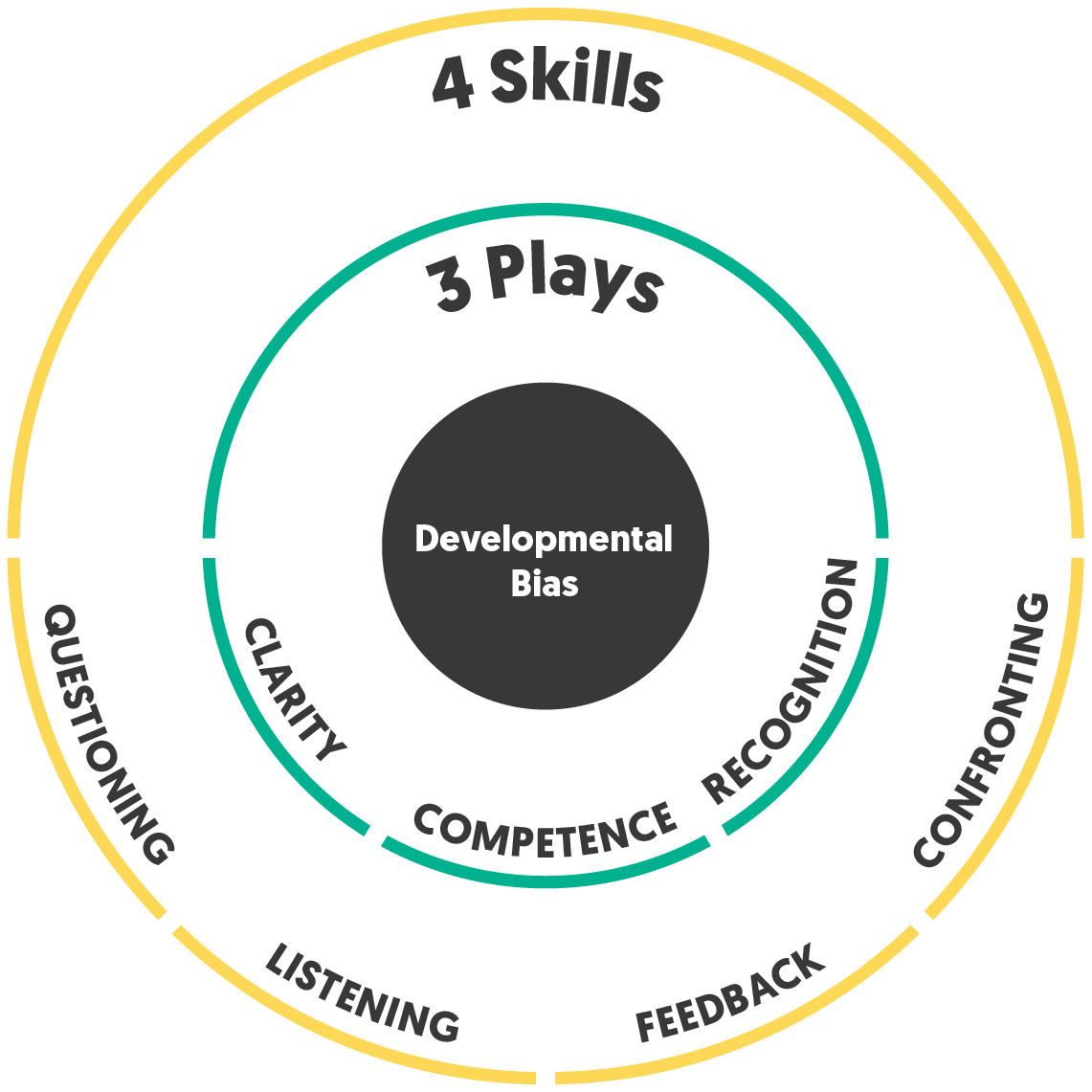
Choose Your Challenge
Having a confronting conversation with Leo is going to be challenging because I don’t want to damage our relationship. It doesn’t take tremendous courage to call up the airline after my flight was delayed and demand a refund because I only care about getting compensated, not my relationship with the customer service representative. But Leo is one of the strongest performers on my team and I want to have a good relationship after this conversation. It’s also going to be challenging because Leo has been resisting making this change and now it’s getting in the way of his success. This isn’t just a straightforward piece of feedback anymore. There are real stakes. If Leo’s behaviour continues, we could end up in the realm of more formal performance management channels.“When done effectively, these conversations can resolve the issue at hand, build the other person’s commitment to making progress, and strengthen the relationship.”It’s easy to see the threats in these conversations but there are also potential benefits. When done effectively, these conversations can resolve the issue at hand, build the other person’s commitment to making progress, and strengthen the relationship if they see you as someone who holds them to a high standard yet cares about them and respects them. So, I choose my challenge: I can avoid the conversation and deal with the fallout – Leo’s behaviour continues, our relationship becomes strained as my frustration seeps out, and I lose credibility with other people who see me allowing this behaviour to continue. Or I can face the discomfort of addressing the issue head-on and put my coaching skills to the test.
Connection Before Correction
Once I decide to address the issue, how do I have this conversation in a way that not only protects our relationship but gets Leo committed to making a change? It starts before I even enter the conversation. Often, we fall into the trap of thinking that we need to emotionally distance ourselves from the other person in order to be “tough” or objective. But it’s our relationship with the other person that’s the foundation for coaching them. I cannot coach Leo if I lose my connection to him. So rather than distancing myself, I start by strengthening my connection to Leo. I put myself in his shoes and explore the most generous, plausible story I can come up with for why he might be acting this way. Maybe he’s under a lot of pressure that is leaving him with little patience. Maybe I’m not aware of some underlying tension with his teammates. Or maybe Leo is so enthusiastic about his ideas that he doesn’t realize he’s shutting down other people. I choose the story that most strengthens my connection to Leo because it puts me in a mindset to engage in this conversation in a direct but caring way. I also need to get clear on the specific change I want to see – not all the ripple effects of Leo’s dismissive behaviour, or the fact that I’m also irritated because he was late for our team meeting yesterday – but the specific gap between what I need to see from him and what I’m currently getting.Open Strong
Next, I need to prepare my opening statement. This will set the tone and direction for the conversation. Without carefully crafting and practicing my opening, things can go sideways quickly. I could fall into the trap of starting with a sneak attack, “Well Leo, I guess you know why we’re having this conversation…” Or I might unleash my pent-up frustration and anger, leaving Leo like a deer in the headlights trying to respond. Or I might revert to the classic “feedback sandwich”, muddying my message and leaving Leo guessing at what I really mean. An effective opening is short – less than 60 seconds – and clearly articulates the specific behaviour that needs to change, the impact of that behaviour, what’s at stake if it doesn’t change, and my desire to work together to reach a resolution. “Leo, I want to talk to you about a pattern of dismissing input from your peers. For example, in yesterday’s meeting, Sarah raised a concern about the project timeline. You interrupted and said, ‘That’s not really an issue.’ I felt worried that you dismissed her question because I’ve noticed people hesitating to speak up in front of you. This can affect your ability to get the information needed to make good decisions and manage the concerns of staff. Advancing in this organization depends on your ability to build relationships and collaborate effectively. I haven’t been entirely clear on the importance of this, and that’s on me. I want to find a way to modify this behaviour. What are your thoughts?”Drop Your Agenda
After delivering my opening, it would be great if Leo said, “got it boss, no problem.” But that’s not what typically happens. I’m likely to get resistance – anger, excuses, deflection, or awkward silence. Counter-intuitively, that resistance is not something to fight against or try to “objection handle”; instead, I need to recognize that the path to a solution is through the resistance. So instead of defending my position, I drop my agenda and lean in to explore the resistance I’m getting from Leo. Questioning and listening are the critical coaching skills at this stage of the conversation. Questions to deepen and clarify my understanding of his story: Can you say more about that? Could you give me an example? What is significant about that? And active listening to draw the person out and check for understanding: So, what you’re saying is…, Let me see if I have this right… I stick with asking questions and listening until I can summarize what we call “the third story.” The third story represents all of what is true for me and what is true for Leo. It’s like I have a bucket, and I keep adding things into the bucket. I don’t take anything out and try to solve it yet. I just add things until we’ve collected all of what is true for both of us.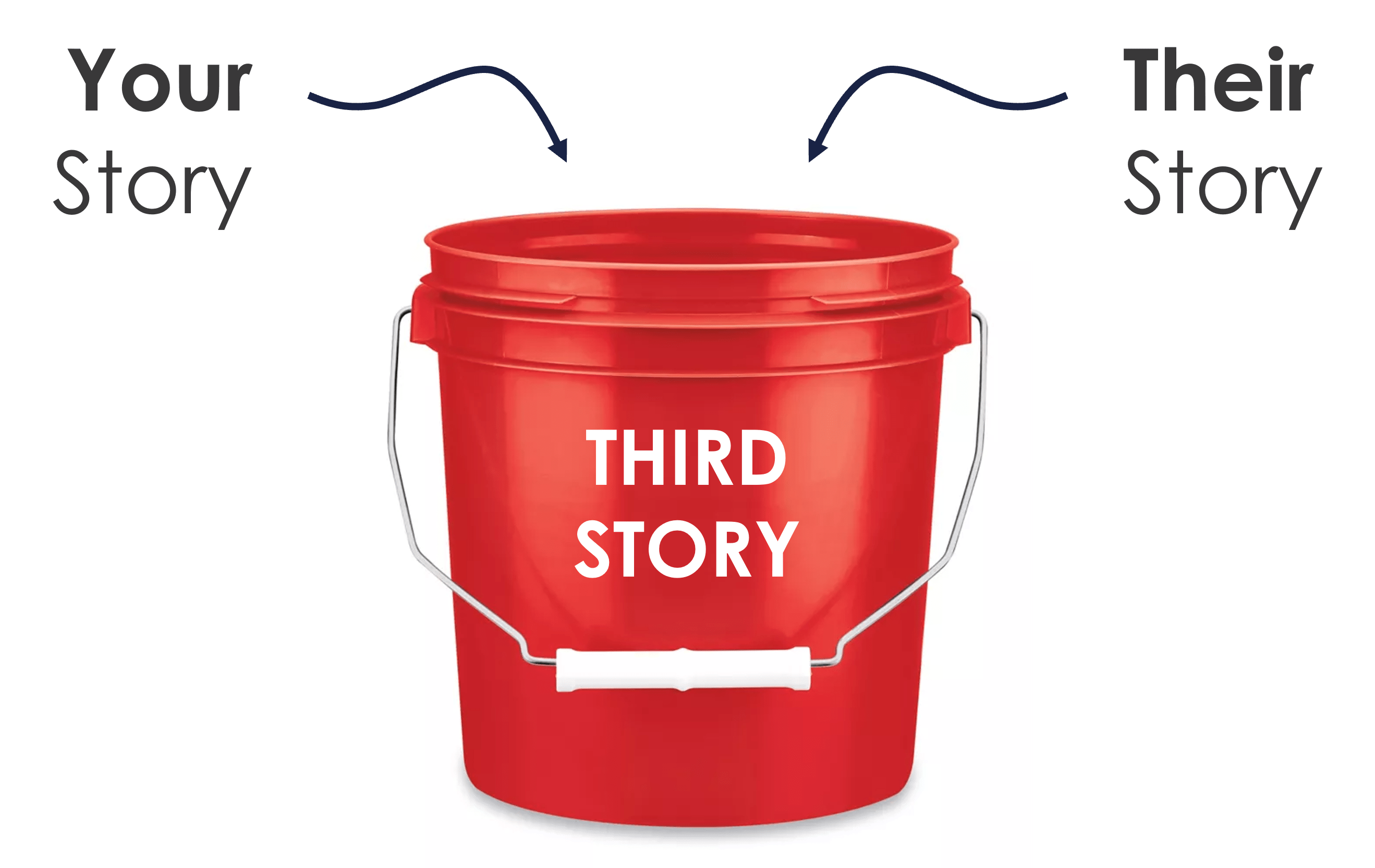 “So, to summarize, I need you to listen to the concerns and questions of your teammates and address them. It’s frustrating for you to have to consider other people’s concerns as you’ve already thought it all through. Further discussion is unnecessary, slows you down, and may interfere with you hitting your numbers. Do I have that right?”
I don’t necessarily have to agree with Leo’s perspective, but I need to get to a place where I understand him, where I can summarize his point of view in a way that he says, “yes, that’s it.” And if that’s not it, then I keep asking questions until we get to the core of the issue. It’s not until we reach that point that we can start problem solving.
It’s this final stage of the conversation that is often more comfortable and familiar – generating options and agreeing on a path forward. It’s best if most of the options come from Leo so that he owns how he wants to move forward but I can offer ideas as well. Together we can agree on a plan and next steps. Be sure to build in support and accountability. “What do you need from me to put this plan into action?” “Let’s schedule time to check-in and see how it’s going.”
“So, to summarize, I need you to listen to the concerns and questions of your teammates and address them. It’s frustrating for you to have to consider other people’s concerns as you’ve already thought it all through. Further discussion is unnecessary, slows you down, and may interfere with you hitting your numbers. Do I have that right?”
I don’t necessarily have to agree with Leo’s perspective, but I need to get to a place where I understand him, where I can summarize his point of view in a way that he says, “yes, that’s it.” And if that’s not it, then I keep asking questions until we get to the core of the issue. It’s not until we reach that point that we can start problem solving.
It’s this final stage of the conversation that is often more comfortable and familiar – generating options and agreeing on a path forward. It’s best if most of the options come from Leo so that he owns how he wants to move forward but I can offer ideas as well. Together we can agree on a plan and next steps. Be sure to build in support and accountability. “What do you need from me to put this plan into action?” “Let’s schedule time to check-in and see how it’s going.”
Manage Yourself
Now, is it ever that easy? Of course not. While it’s helpful to have a map for these conversations, no matter how prepared we are, it never goes exactly how we expect. People are complicated and will almost always throw a wrench into the conversation that we never saw coming. Or they’ll do something that seems perfectly designed to get under our skin – raise their voice, roll their eyes, or say that one thing that touches our most sensitive nerve And so, a big part of the discipline of these conversations is having a plan for how we will manage ourselves in the face of the triggers that could knock us off our game. First, we need to be aware that we’re triggered in the first place. Often, we become our irritation, or our anger. Instead, we need to notice it by tuning into our internal signals – I might notice myself thinking “here we go again with the excuses,” or that my breathing has accelerated, or that I’m starting to feel impatient. These signals are like lights on your car’s dashboard. When the “check engine” light comes on, you don’t smash the dashboard – you check under the hood. The same goes for triggers in tough conversations. Get curious about what the signal is telling you and take corrective action to get yourself back on track before you respond. If we don’t notice and manage our triggers, all sorts of unintended behaviours appear, and we can become the worst version of ourselves. Things start to escalate, or the other person withdraws, and we get further and further from a resolution.The Courage to Coach When it Matters Most
Being effective in these conversations requires the very best of us. It takes self-awareness and being a big person. But the 3×4 Coaching model provides everything we need to succeed. We need to enter the conversation with a generous mindset and clarity on our objective. We deliver a clear opening statement to get the conversation off on the right foot and then drop our agenda to explore the other person’s perspective before we jump into problem solving. It isn’t always comfortable, but the goal of coaching isn’t comfort. It’s about challenging someone to reach their highest potential. It requires the courage to speak up, the patience to wade through the discomfort, and the belief that the people you’re coaching are capable of more. Coaching is, at its core, a deeply human endeavor. It’s a skill that requires empathy, curiosity, and an ability to connect with others on a personal level. Effective coaching demands patience, insight, and adaptability, making it a uniquely human process. Yet, as artificial intelligence (AI) tools like Copilot and ChatGPT become increasingly advanced and widely used, the potential to integrate AI into the coaching process is becoming more apparent. Rather than viewing AI as a replacement for human coaches, we see it as a complement—a tool to augment the learning experience and extend the reach of coaching. Our approach, inspired by our company’s founder Dr. Peter Jensen, is rooted in the idea of AI as “the coach’s coach.” Instead of attempting to replicate the nuanced human interactions of coaching, we’re leveraging AI to sustain learning and assist leaders as they progress toward coaching mastery. AI becomes a tool that helps leaders get comfortable with coaching and sharpens their skills, rather than replacing the critical role of a human coach.Drawing inspiration from “The Coach’s Coach”
Dr. Peter Jensen has been known for decades as “the coach’s coach.” Over 35 years, his focus has been on empowering coaches rather than stepping into their shoes. He works to help them improve their craft and support their teams more effectively, offering guidance, insights, and tools to help them reach their potential. His role isn’t to be the head coach, but instead to act as a mentor and resource for those who are. This philosophy guided us as we considered the potential of AI in leadership and coaching development. What if every leader had access to an AI-powered coach in their pocket—one they could turn to for advice, guidance, and practice whenever they needed it? This vision drives our integration of AI as a tool that complements and supports, rather than competes with, human coaches.Understanding AI’s role in the learning curve
The learning curve is a familiar concept in skill development. It illustrates how people acquire new skills over time, beginning with an initial uncomfortable phase of struggle and slow gains, progressing through steady improvement, and then hitting the final grueling ascent to achieve true mastery. AI’s role is most valuable in the intermediate stages, where learners have built a foundation and consistent practice and support can help them to make big leaps up the curve.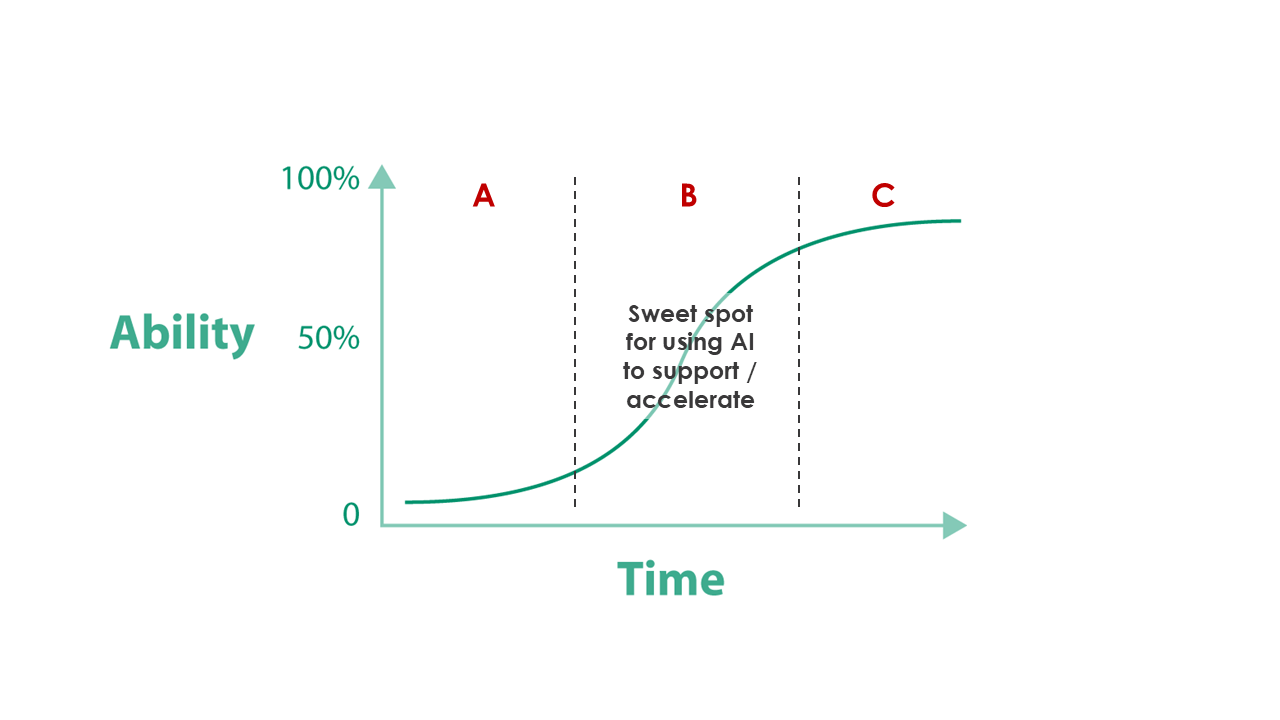
High touch to learn
At the beginning of the learning curve, learners are stepping into unfamiliar territory, and progress can be slow and frustrating. At this stage, motivation, encouragement, and a safe environment to make mistakes are critical. This is where the presence of a human coach is indispensable. Human interaction provides the emotional support and expert guidance that learners need to build confidence and take those first steps.“The goal of this high-touch phase is to equip learners with a solid foundation and prepare them to apply their new skills independently.”For example, in our 3×4 Coaching program, leaders regularly report discomfort with delivering corrective feedback and therefore delay or outright avoid it. In the classroom, we are able to set them up in pods with their peers and, through a triad exercise, show that giving “negative” feedback can be a positive, developmental experience. With the encouragement (and accountability) of their peers, participants take the first steps up the learning curve and start to build confidence. This is not much different than learning to ride a bicycle. Initially, the learner needs someone to hold the bike steady, provide feedback, and offer reassurance. This hands-on support is essential for achieving balance and overcoming the fear of falling. Similarly, in leadership development, learners benefit greatly from in-person workshops or coaching sessions where they can practice new skills, ask questions, and receive real-time feedback. The goal of this high-touch phase is to equip learners with a solid foundation and prepare them to apply their new skills independently.
High tech to transfer
As learners move past the initial hurdles, they enter the middle phase of the learning curve. This is the growth phase, where they’ve gained a basic understanding but need consistent practice to refine their skills and build confidence. At this stage, AI can play a crucial role in supporting learners’ development. AI tools excel at providing scalable, consistent support during this phase. They can simulate real-world scenarios, offer constructive feedback, and serve as a resource for learners to practice and refine their skills. Our pilot programs have confirmed the value of this approach. Leaders who have used our AI tools report that these tools help them apply what they’ve learned in their training programs. For example, our AI tools have been instrumental in helping leaders simulate coaching conversations, deliver feedback effectively, and prepare for performance reviews. By practicing in a non-judgemental, low-stakes environment, they gain confidence and improve their skills before applying them in real-world situations.AI as sustainment
AI is particularly effective at supporting sustainment. To understand this, it’s helpful to distinguish between two types of motivation in the learning process: the motivation to learn and the motivation to transfer.“People are motivated to learn when they encounter new ideas, engaging experiences, or compelling stories.”The motivation to learn is rooted in intellectual curiosity. People are motivated to learn when they encounter new ideas, engaging experiences, or compelling stories. This type of motivation often requires a human touch—someone who can inspire and captivate learners, sparking their interest in the subject matter. These are areas where human coaches excel. They can create dynamic, interactive learning experiences that draw learners in and motivate them to engage with new concepts. The motivation to transfer, on the other hand, is about applying what has been learned in a real-world context. This requires an environment where learners feel supported and confident in their ability to succeed. Motivation to transfer comes from having access to resources, someone to turn to for advice, and a sense of accountability. These are areas where AI shines. By providing tools and guidance for application, AI helps learners bridge the gap between theory and practice. AI can simulate coaching conversations, offer tailored feedback, and provide reminders to keep learners accountable to their goals. It creates an environment where learners can experiment, refine their skills, and build confidence in their abilities—all while supporting their long-term growth.
The future of coaching
The integration of AI into coaching enhances rather than replaces the role of human coaches. While human coaches inspire curiosity, build foundational skills, and connect on a personal level, AI excels at providing scalable, consistent support during the critical growth phase of skill development. This complementary relationship allows learners to benefit from both personalized guidance and accessible tools for practice and refinement. By blending the strengths of human connection and technological capability, we create a sustainable, accessible coaching model. Human coaches can focus on motivation and expertise, while AI supports learners in applying and mastering new skills. This balanced approach ensures coaching remains effective and widely available, fostering a culture where both learners and coaches thrive in an evolving landscape. 15,000 athletes will compete in 878 events across 54 sports at the Paris Olympic and Paralympic Games. To help you narrow in on what to watch, we asked our network of elite athletes, coaches and influencers to share the stories they’re most excited for. Here’s what they said.
When to watch
Summer McIntosh: July 27 – August 4 Josh Liendo: July 31, August 3, August 4 Ilya Kharun: July 31, August 3, August 4
When to watch
Paralympic Games: August 28 – September 8 Women’s Goalball: August 29 – September 5
When to watch
Women’s Beach Volleyball: July 27 – August 9
When to watch
Men’s Basketball: July 27 – August 10 Women’s Basketball: July 28 – August 11 Women’s 3×3 Basketball: July 30 – August 5 Men’s Wheelchair Basketball: August 29 – September 7 Women’s Wheelchair Basketball: August 29 – September 8
When to watch
Men’s Basketball: July 27 – August 10 Women’s Basketball: July 28 – August 11 Women’s 3×3 Basketball: July 30 – August 5 Men’s Wheelchair Basketball: August 29 – September 7 Women’s Wheelchair Basketball: August 29 – September 8
When to watch
Artistic Swimming: August 5 – August 10
When to watch
Rowing: July 27 – August 3What is PJ?
We’re calling PJ The Coach’s Coach. It’s a tool designed to help leaders work through coaching challenges and get advice on applying the 3×4 Coaching model, our framework of 3 plays and 4 skills that exceptional coaches use to deliver results and build commitment.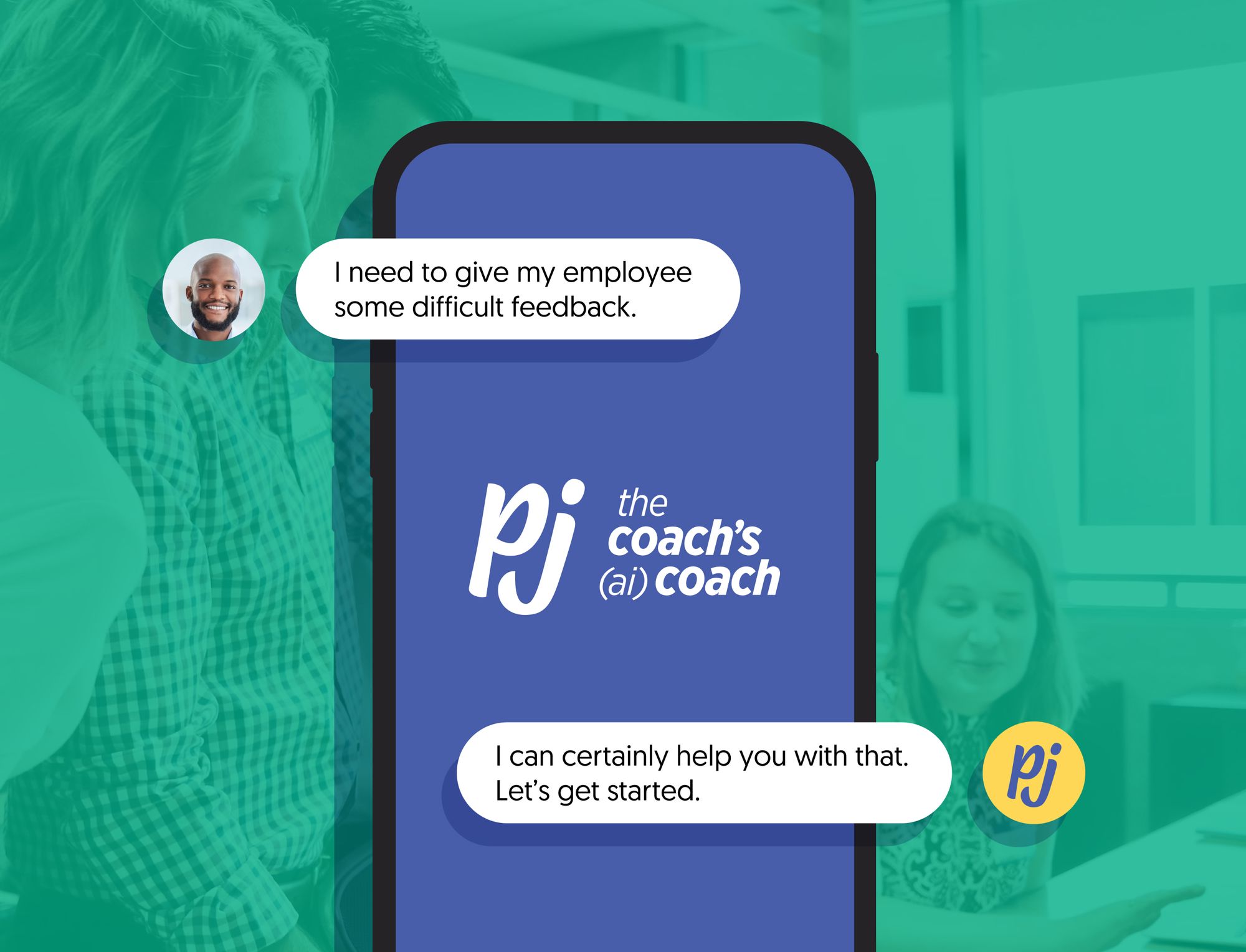 At its heart, PJ is an AI chat bot developed by Third Factor and The Modern Office Company. With a license, you can ask PJ questions and discuss just about anything related to coaching. PJ has been trained in the 3×4 Coaching model and can help you use questions, listening, feedback and confronting to build clarity, improve competence or give recognition.
What really excites us is that PJ is a true coach. Unlike other chat bots that jump straight into giving advice, PJ first listens to understand and asks clarifying questions to get to the heart of every issue. A conversation with PJ flows like a conversation with a real coach – acknowledging the very real challenges of leadership, building clarity about what’s really going on, and generating practical strategies for applying the coaching skills.
At its heart, PJ is an AI chat bot developed by Third Factor and The Modern Office Company. With a license, you can ask PJ questions and discuss just about anything related to coaching. PJ has been trained in the 3×4 Coaching model and can help you use questions, listening, feedback and confronting to build clarity, improve competence or give recognition.
What really excites us is that PJ is a true coach. Unlike other chat bots that jump straight into giving advice, PJ first listens to understand and asks clarifying questions to get to the heart of every issue. A conversation with PJ flows like a conversation with a real coach – acknowledging the very real challenges of leadership, building clarity about what’s really going on, and generating practical strategies for applying the coaching skills.
What can PJ help with?
PJ is designed to help with just about any coaching challenge. Whether you need help building clarity around an issue, delivering difficult feedback, or finding the right way to recognize a team member’s efforts, PJ is there to help. Here is a list of sample prompts you might give PJ across a variety of categories:Work through challenges
- My direct report seems unmotivated and I’m not sure why
- I’m struggling to build a relationship with a new team member
- I’m not sure how to best coach someone with more experience than me
Prepare for a Conversation
- Help me prepare for a challenging conversation with my direct report
- I need to have a team discussion to clarify performance expectations
- How should I deliver feedback on something that I didn’t directly observe?
Enhance skills
- Give me a scenario to practice using the BID feedback model
- What are strategies for improving my active listening?
- How can I get more comfortable with having tough conversations?
Generate ideas
- What are some simple but personalized recognition ideas for my team?
- What are approaches to identify my team’s strengths and weaknesses?
- I’d like ideas for quickly building relationships with new team members
Coach in different contexts
- How do I coach someone from a different generation than me?
- What are strategies for coaching someone who doesn’t report to me?
- How do I adjust my coaching for in-person vs. remote team members?
Deepen coaching knowledge
- Can you explain the concept of ‘developmental bias’ in more detail?
- Does the BID model work for both reinforcing and corrective feedback?
- What does it mean to use emotion as a fuel for change?
See PJ in action
PJ is trained to coach you through problems rather than just giving answers. After you explain what you need, PJ will ask clarifying questions to understand the nature of the coaching challenge. It will then help you discover how to apply the coaching plays and skills to address the issue and help you create a detailed action plan. Here’s a real conversation with PJ about a team member’s punctuality to give you an idea of just what PJ can do.How do I get access to PJ?
PJ is currently in a closed Beta and not available to the general public. If you want to try PJ and give us feedback on how to improve, send us an email explaining your coaching challenge and why you think PJ could help. Welcome to our summer reading list for 2024. The team at Third Factor has once again come together to recommend their top reads from the past year. Whether you want fiction, non-fiction, or even a cookbook filled with new recipes to try, you’re sure to find something new and interesting on this list. This year, we’ve included a special recommendation from our new AI coaching companion, PJ. What does a virtual 3×4 Coaching expert recommend you read this summer? Scroll down to find out.

Ask will teach you how to read other people’s minds. Okay, maybe not literally – but author Jeff Wetzler shows convincingly that, with the right questions and the right approach to listening, we can get incredibly good at knowing what others are thinking. The book opens with a sobering look at how bad we are at intuiting others’ thoughts and feelings, and how easy it is to stay on the surface without ever benefitting from the thoughts and opinions that others truly hold, but may be reluctant to share. Wetzler lays out a highly practical framework for curiosity, packed with great questions and tips for listening. As someone who speaks for a living, I am always looking to get better at listening – and this has been an incredibly helpful book.


I highly recommend “Hidden Potential” by Adam Grant, especially for its take on team dynamics. The book shows that team success isn’t just about picking the most skilled people but about building the glue that holds everyone together. This resonated with my experience with Canada’s National Basketball Team. Their World Cup success wasn’t just about talent but their unity and teamwork, leading to their first Olympic qualification in over 20 years. Grant’s insights reflect what I’ve seen firsthand in sports.


I heard Pooka Lakshmin speaking about “faux self-care” on the Ezra Klein podcast and was very intrigued so I picked-up her book. It’s very thoughtfully written with examples from Lakshmin’s clinical practice and her own experiences. She points out that self-care shouldn’t be something to add to your to-do list but behaviour changes in your everyday life. She breaks down the four key elements of self-care: boundaries, self-compassion, getting to know yourself, and asserting your power. She even explains how the more we practice these concepts the more we can impact change on a larger scale. I am already working on incorporating tips from the book, and I feel off the hook for not being into meditation or yoga.


As someone who isn’t a big fiction-reader (but loves history!), The Amazing Adventures of Kavalier and Clay is an epic novel that blends history, adventure and human emotion into a masterpiece. It’s set against the backdrop of World War II and follows the journey of Joe Kavalier and Sam Clay, two cousins, as they move from Europe to navigate the world of 1930s America. Joe Kavalier, a talented artist and escape artist, escapes Nazi-occupied Prague to seek refuge in New York City, where he teams up with his cousin Sam Clay, an ambitious writer, to create the iconic superhero “The Escapist.” As they rise to fame, they encounter love, loss and challenges while facing their own personal struggles, relationships and identities. Chabon does an excellent job bringing the streets of New York City to life, as the layers of complexity to each character makes for a beautifully crafted and captivating story of friendship, creativity and strength in the face of adversity. It’s a fun, nostalgic and uplifting read for summertime.


A senior executive at Stripe and former senior executive at Google, Johnson has made an impact in some of the biggest and fastest growing companies in the world. The book is full of incredibly practical advice and tools. More importantly, it helps leaders understand how to deliver on a key challenge: leading with both empathy and accountability. If you get the audio version, as an added bonus, the author personally reads the book, which in my experience, truly makes the words come to life.

“Leaders Eat Last” by Simon Sinek is an essential read for anyone aspiring to become a better leader in their organization. Sinek explores the core principles of leadership that build trust, foster collaboration, and drive innovation within teams. By creating a culture where employees feel valued and empowered, the book offers actionable insights that can transform your leadership style and significantly improve team dynamics and performance. Embrace these principles to inspire and lead your organization toward sustained success.


“Demon Copperhead” is a compelling novel that reimagines Charles Dickens’ “David Copperfield” in modern Appalachia, following a resilient and sharp-witted kid named Demon navigating tough times, poverty, and additiction. It’s a powerful story about overcoming adversity and offers deep insights into human resilience and empathy.


This is a book about the practice of paying attention and refining our sensitivity to tune in to the more subtle notes. This is not a book you read and put on a shelf. You can pick it up any time as it is dripping with wisdom, for life, art and creativity. I love everything about this book, from the person who suggested it and bought it for me through to the texture of the creative cover and silky pages in between. Rubin suggests that living in discovery is at all times preferrable to living through assumptions. I like that perspective.


With summer just around the corner and my daughter’s wedding fast approaching, I’m diving into the Love and Lemons Cookbook for some culinary inspiration. This cookbook is a treasure trove of effortless and delicious vegetarian recipes, perfect for the special occasion at our cottage. With many vegetarians among our guests, I want to ensure that the weekend is filled with delightful and satisfying meals. If anyone has favorite meatless recipes to share, I would love to hear them! Let’s make this celebration as tasty as it is memorable.


For a deep dive into the psychology of change and how to guide others through it, “Immunity to Change: How to Overcome It and Unlock the Potential in Yourself and Your Organization” by Robert Kegan and Lisa Laskow Lahey is a fantastic choice. It explores why people resist change, even when it’s in their best interest, and offers practical steps for identifying and overcoming those internal barriers. It’s particularly insightful for coaches working with individuals facing significant personal or professional transitions.


“Remarkably Bright Creatures” by Shelby Van Pelt is a delightful read. This heartwarming and immensely readable novel explores the power of connecting with other living creatures and its impact on our lives. With a clever storyline and a touch of mystery, it’s perfect for a feel-good summer read. If you enjoyed “A Man Called Ove,” you’ll love this book.
New manager development programs are often a surprising “problem child” in the Learning & Development portfolio.
The recent Association for Talent Development (ATD) report sponsored by Third Factor, “New Manager Development: Building a Foundation for the Future,” highlights a critical gap: while 70% of organizations have new manager development programs, most fail to realize their full potential with 77% reporting only moderate success or worse.
Helping new managers transition from individual contributor to people leadership roles is vitally important for the performance of not only those managers but everyone that reports to them as well. But with the large population of managers in most organizations, Learning & Development (L&D) is often tasked to execute these programs at scale and on a shoestring budget. Add in the time pressures on new managers, and it can feel near impossible to deliver impactful leadership development programs for this audience.
We know how challenging this mandate can be, so we’ve collected some practical strategies from leading organizations that we partner with to help get the value out of your investment in new manager development.
Leadership at the Helm: Building Top-Down Support
The ATD report underscores the importance of senior leadership in new manager development. Most of the organizations surveyed indicated that a lack of either resources, senior leadership support, and/or prioritization were challenges to training new managers. So how do you build that critical support at the top of the house?
01.
Pick your moment and leverage business needs to advance new manager training.
02.
Enlist your partners to sell your vision for new manager training internally.
03.
Get senior leaders directly involved in training to underscore its importance.
First, pick your moment. When organizations make significant investments in new manager development, it typically comes at a time when there is a clear business need – for example, a new strategy, a culture transformation, declining engagement scores, or high turnover. Use these windows of opportunity to demonstrate how Learning & Development can help turn conceptual business plans into real action by driving the right behaviors in managers.
Second, enlist your partners. You need every tool in your arsenal to build the strongest business case to senior leaders for investing in new manager development. Involve HR or internal business partners as well as your third-party vendors to help demonstrate to senior leaders the value and expected outcomes of these programs. Hearing directly from your leadership team about a strategic transformation they are driving from transactional to advisory services, for example, will enable your vendors to design programs that directly support those needs.
Finally, start small and get senior leaders directly involved. One L&D team that we work with is driving a multi-year rollout of a two-day in-person program to help managers build coaching skills – a significant investment of time and resources. But it all started with just one session focused on the C-Suite team. Through that firsthand experience, the CEO and his team became passionate champions of the program. They not only committed to funding a broad program rollout, but the CEO now speaks directly to every cohort of managers that goes through the program. His involvement sends a strong message about his commitment to manager development and also reinforces the connections between the content and their business priorities.
Balancing Learning Formats
Training a large population of new managers can be costly. For many organizations, it’s just not feasible to offer in-person experiential learning programs to all new managers.
In fact, the ATD report notes that asynchronous learning channels are the most common offering made available to new managers. We often hear from L&D leaders about the benefits of asynchronous learning for creating custom learning pathways and offering flexible programs that work around the busy schedules of new managers. Yet there is always a desire to incorporate some of the benefits of live, in-person learning experiences as well.
Increasingly, organizations are looking at blended learning formats to provide the scale and cost effectiveness of asynchronous learning but with some of the human connection and energy of live or in-person programs.
A financial services company that we partner with offers an asynchronous program that enables managers to learn coaching skills through a series of self-paced videos. But to enhance the experience through peer support and live discussions, managers are placed into learning cohorts that proceed through the program as a community. A live virtual kickoff provides context about the program, introduces managers to others in their cohort and builds energy around the learning journey they are about to start on. Midway through the program, cohorts reconvene for a live application lab to work through any questions and challenges as they start applying the skills in their work environment. And upon completion of the program, managers have access to 1:1 coaching and a library of resources to support ongoing skill development and application.
“The most successful new manager development programs that we see always place a strong focus on practical application.”
Whether asynchronous, in-person, or a blended format, the most successful new manager development programs that we see always place a strong focus on practical application. New managers are often completely underwater balancing their priorities of delivering results while also developing their people.
In fact, time constraints on new managers were the most common challenge cited in ATD’s report. Most new managers simply don’t have the time, energy, or interest to dive deep into theories on motivation and performance. Instead, they need a few practical tools that they can implement immediately, opportunities to practice new skills, and strategies to focus on actions that will have the greatest impact so that they see immediate results and build confidence.
Measuring What Matters: The Art of Success Metrics
You’ve heard it a million times – “how are we measuring the impact of this program?” When it comes to reallocating investment or cutting costs, new manager development programs are an easy target if they can’t demonstrate impact. Effective metrics not only demonstrate program effectiveness but also ensure the program remains relevant, impactful, and aligned with evolving business priorities.
ATD’s report highlights a similar issue: 87% of respondents cite a lack of metrics to track the program’s results as a challenge to new manager training. While most organizations do assess program effectiveness, many focus on participant satisfaction and use informal conversations rather than quantitative or outcomes-based measures. So how can you incorporate impactful metrics without creating an overly complex science project?
Most important is systematizing and quantifying participant feedback with a short, standard feedback form for every participant to complete. In our experience, taking a few minutes to do this at the end of sessions before participants return to their other work is the best way to drive response rates and specific feedback. In addition to participant satisfaction, include one or two questions tied to target outcomes – for example, participants’ confidence in their ability to apply the skills in their daily work.
With a basic feedback system in place, start looking at longer-term metrics and impacts. A large energy organization that we work with administers a final survey approximately three months after leadership development programs on how participants are applying their learnings and the resulting business impact of those actions. These concrete examples offer powerful impact stories that are highlighted to the company’s most senior leaders.
Another financial services organization surveyed the direct reports of program participants and found that more than 85% noticed an improvement in their leaders after completing the manager development program – a metric that helped build ongoing support and expansion of the program.
Transforming Insights into Impact
As the ATD report highlights, new manager development programs are a critical aspect of the L&D portfolio and yet there are very real challenges to making them effective and impactful. These strategies offer a blueprint to help ensure the investment in these programs delivers real value for the business and for your people.
At a glance:
- Roughly one quarter of organizations say their new manager training programs are extremely or highly successful, but an equal number report their programs as only slightly successful or not successful at all.
- Key reasons for investing in training for new managers include better individual performance (85%), continuity of organizational culture and values (69%), and better team performance (62%).
- Top focus areas for new manager training include communication skills (93%), providing feedback (92%), and performance management (91%).
- 91% say their new managers just don’t have enough time to invest in development programs.